The development of transport infrastructure in Europe is increasingly analysed not only in the context of mobility, but also in terms of safety and state resilience. One of the most striking examples of this approach is the Kyiv Metro, which, under conditions of full-scale war, serves both as a transport system and as infrastructure for civilian protection.
During air raid alerts, underground metro stations become shelters for hundreds of thousands of residents. The scale of this phenomenon demonstrates that transport infrastructure can play a key role in a country’s safety system — provided it is properly designed and constructed.
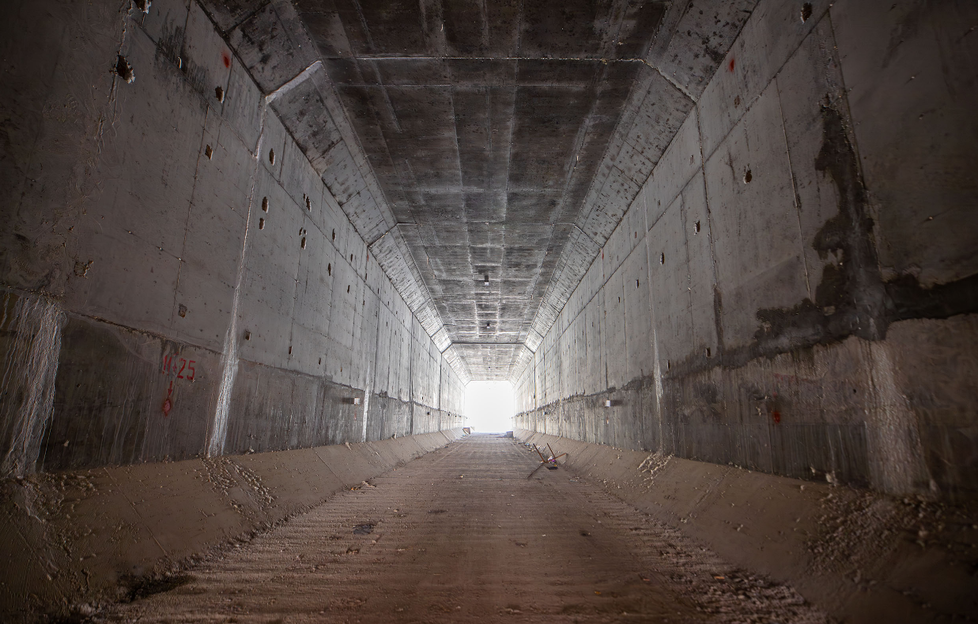
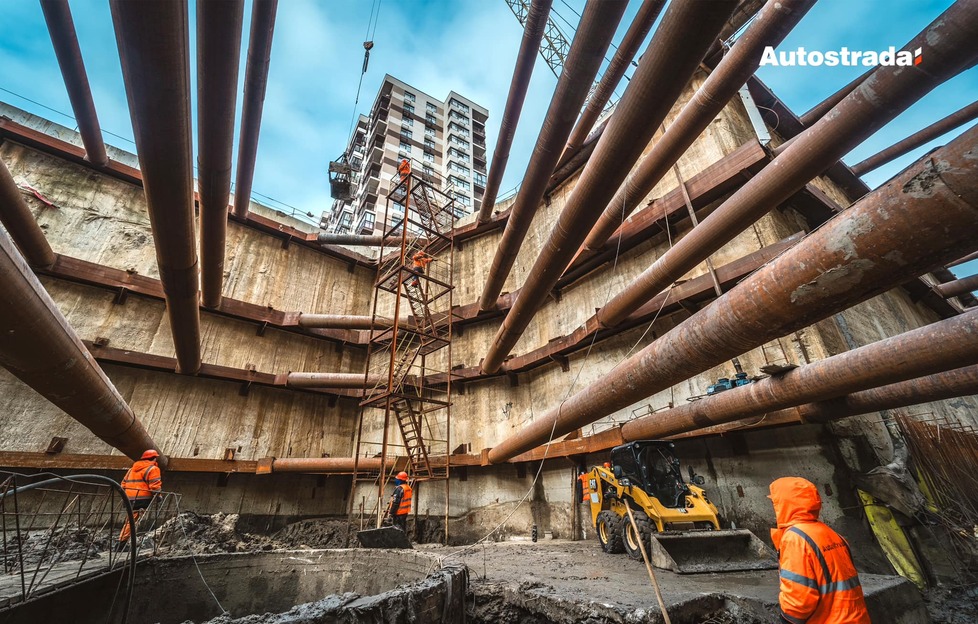
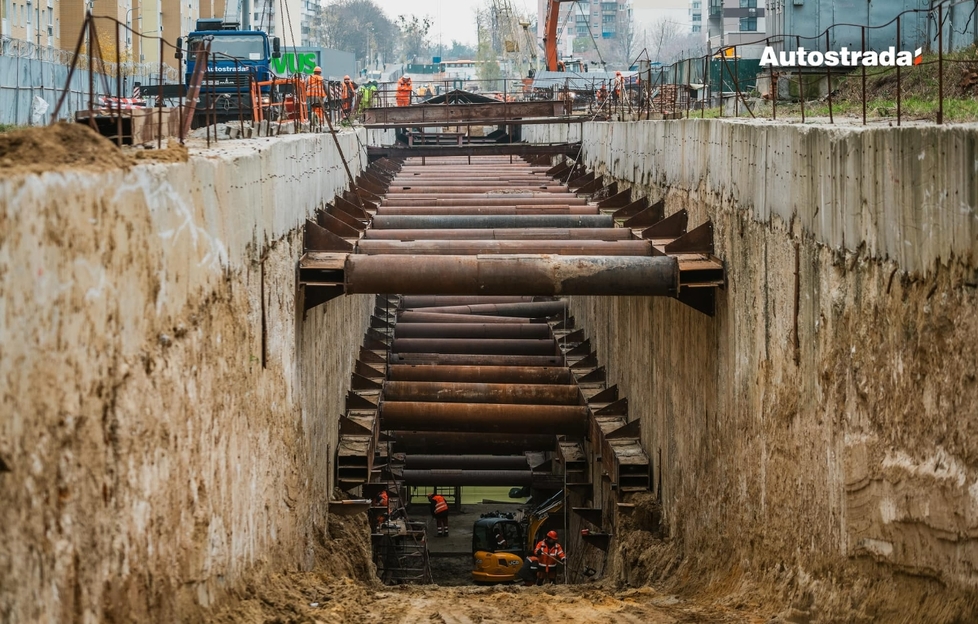
The project involves extending the green metro line from Syrets station to the planned stations Mostytska and Varshavska, whose project name is Prospekt Pravdy. The length of the section under construction is approximately 3.7 km. The first stage of the investment includes the construction of two stations: Mostytska and Varshavska (Prospekt Pravdy). Additionally, a branching line towards the future station Vynohradar has been planned. In the longer term, further stations are planned: Vynohradar and Marshal Hrechka.
The history of this investment reflects the challenges of recent years — from the COVID-19 pandemic, through organisational difficulties, to the suspension of works due to the war and their resumption in 2024.
One of the most distinctive elements of the project is the use of double-level tunnels between the Mostytska and Varshavska stations. This solution, resulting from spatial and geological constraints, is the first implementation of its kind in Ukraine.
However, the significance of this investment goes beyond transport. In wartime conditions, the Kyiv Metro also serves as a system for civilian protection. In many parts of the city, access to fully equipped shelters is limited, which increases the role of underground infrastructure as a place for protecting the lives and health of residents.
The role of TINES in the project
In the ongoing Kyiv Metro project, track infrastructure solutions manufactured by TINES — a Polish producer of structural systems for rail infrastructure — are being used.
These components are produced in Poland and delivered for the needs of the investment, forming part of the track system used in a project of high technical complexity and implemented under elevated risk conditions.
However, TINES’ presence in Ukraine is not new. The company’s technologies have been used in tram and metro infrastructure for over a decade, including in the Kyiv Metro — both in development projects and in modernisation works carried out in recent years, also under demanding operational conditions.
TINES’ involvement in the current project is a continuation of this presence and confirms that technologies developed by the Polish industry can be applied in projects of critical importance.
The experience of Kyiv is now also reflected in Poland. An example is the expert cooperation between Kyiv and Kraków, where metro design is being considered as dual-use infrastructure — both transport and protective.
This shows that modern infrastructure investments require a broader perspective — one that takes into account not only transport efficiency, but also system resilience and the safety of residents.
In this context, the experience gained today in projects implemented under challenging conditions constitutes an important reference point for future investments in Europe.
Read also




Comprehensive construction solutions and ballastless track systems for railways, ensuring effective vibroacoustic insulation and a guarantee of durability for mainline tracks, engineering structures (bridges, viaducts, tunnels, and rail-road crossings).

A comprehensive offer of durable materials for the construction of tram tracks, allowing to reduce the level of vibrations and noise in the vicinity of the route.